A Tall Order

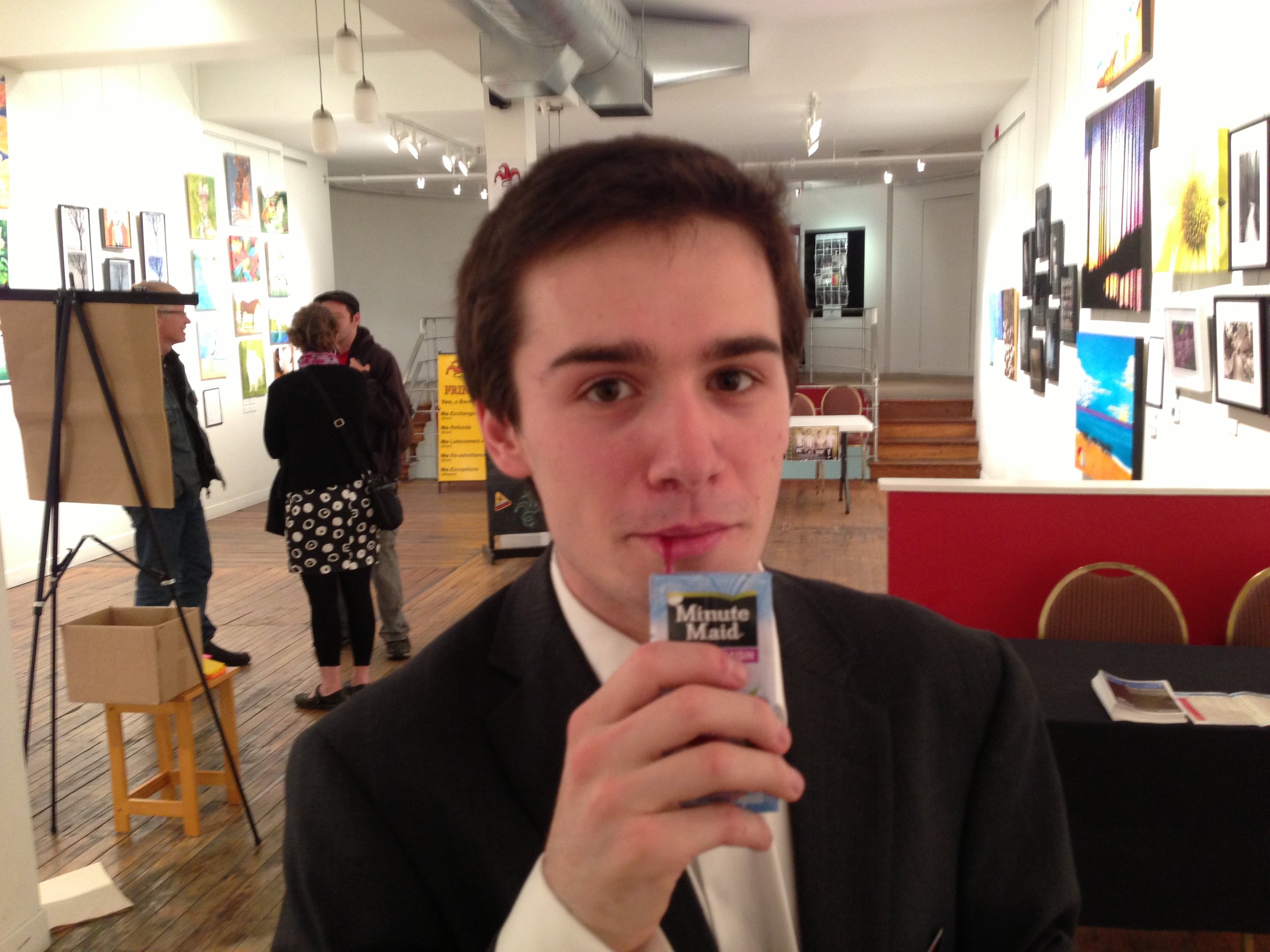
I seem to lead a delightfully charmed life. Every once in a while, I seem to get an email or a phone call from a friend, often out of the blue, with a request to work on a strange or unusual project. (Actually that seems to be happening quite a bit lately, so there should be some more stuff appearing here as soon as I'm allowed to talk about it.) Tyler Wilson

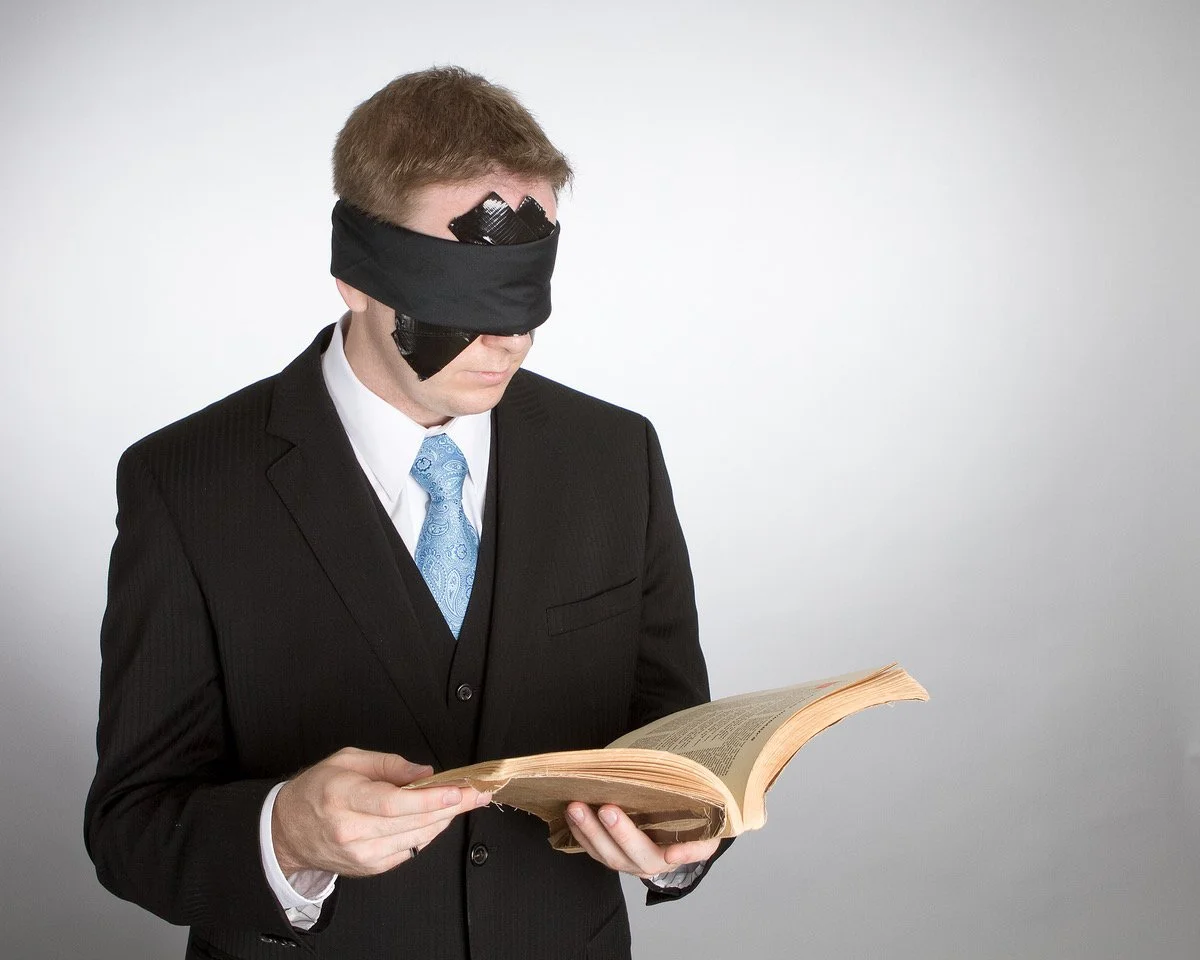
Earlier in the summer, my friend, fellow Canadian magician and fellow tall person (he's 6'5 or 5'17 in the US) contacted me about doing a show. Tyler used to live in Toronto a few years ago before winding himself up in England and Spain before finally finding his way home to Calgary. He's not only a very clever and creative magician, and extremely funny in a zany-off-the-wall sort of way, he's also knows more about the history of magic (in particular close-up magic) than just about anyone I've ever met.

His project was really interesting: he wanted to do a close-up show. Close up magic is possibly the strongest form of magic. There is an immediacy and intensity that comes with magic that happens feet and inches away from you. If you watch magic on stage, you could be dozens of meters away and if you watch magic on a screen, much of the impact gets lost  – as I found out personally, listening to people talk about my recent appearance in a string of Wendy's ads.

I perform a ton of close up magic, but usually in a very unstructured way - what gets called strolling magic or mingling magic - at parties. But there it's a kind of Blitzkrieg approach, trying to show as many people magic in as short a time as possible. It's a great deal of fun and is very memorable, but it leaves the people who truly appreciate magic and want to see more feeling slightly shortchanged.

The main challenge is in economies of scale (rather lack of scale) - it's hard to have a successful show that only happens for a dozen people at a time. Historically, close-up magic has been forced into larger and larger rooms. I've attended (and competed in) magic contests that had close-up divisions in front of hundreds of people.

So for fun's sake, we've decided to put on a true close-up show: Illusions of Grandeur. We'll do the same ~50 minute show six times over two nights. Each seating will be strictly limited to fifteen people. As Tyler originally proposed it, this will be a micro-drama where we attempt to outdo, outperform and outbadass each other. (Apparently in Calgary, to outbadass is a real verb... or so Tyler tells me.) We're going to have tons of fun and we'll both be premiering some brand new material. We'll be at the Winchester, which has generously allowed us to rearrange their furniture to create our little close-up palace of mystery. The shows are separated by two hours so you're more than welcome to come early, stay late and/or enjoy some food and drink to go along with the show.

For even more fun's sake, we've added VIP seats, for the exorbitant surcharge of 3 cents. What exactly VIP treatment gets you; that's for us to know and you to find out. Hope to see you there.

Information | Tickets | Directions
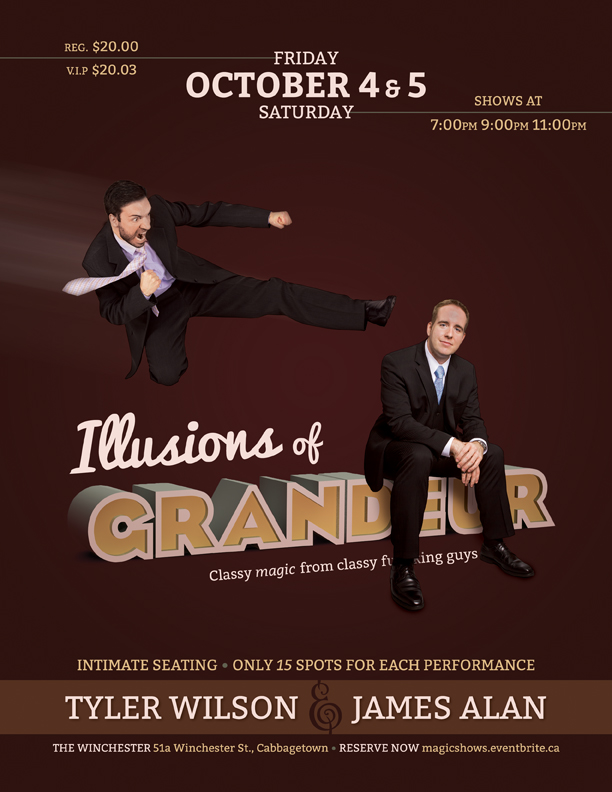
Poster

Magicians and Hats and Rabbits... Oh My!

In just over two weeks, a new season of the Sid Lorraine Hat & Rabbit Club will be starting. [Edit: after a weird scheduling snag which forced us to push our opening lecture back a week... sorry for that] Sid Lorraine, was a prominent figure among Toronto magicians. The Club was half-renamed after him (It was always the Hat & Rabbit Club) after he passed away. I was four years old when he passed away, and had never met him, but I had the odd chance to get to know him as I had to transcribe his handwritten memoirs (assembled from taped interviews with another past-president, Peter Isaacs) for a memorial blog. The blog, or "ChatterBox" as it's properly called, is a fun read and paints a fascinating picture from the early part of the Twentieth Century of magicians in particular and Canada and England in general.

The size of the club fluctuates slightly year-to-year, but I believe we are the largest local magic organization in the country. Membership is open to magicians and magic enthusiasts. We assemble a diverse group of members; including amateurs, professionals, beginners, collectors and hobbyists. We have members ranging from 14 years old to... well, one of the events is a certain member's 90th birthday party, just to give you an idea.

And I have the distinct honour of being president of this motley crew - for the third year running. It's actually a very fun and rewarding job. The best part, by far, is spending the year with the executive daydreaming about what next year will look like. So this season's lineup of events (which includes guest speakers from Canada, the US, France and Spain!) was assembled bit by bit gradually over several months.

It's traditional to start the year with a Canadian lecture (except last year, when Canadian Magician of the Year, Bill Abbott, lost a game of Rock-Paper-Scissors to Eugene Burger and had to wait a month). This year's kick-off lecture is a freshly minted Canadian, with a shiny brand-new permanent resident card, Michael Close (with special thanks to real-Canadian Lisa Close for luring him across the border.) Michael is an internationally known creator, performer, lecturer, and consultant.

Surprisingly, it's not that difficult to put a line-up like this together. While magicians outwardly project a veil of secrecy and mystery, when the public's not looking they can't wait to share their secrets. The community has developed an incredible sense of community through organizations like the IBM, the SAM, the Magic Castle, the Magic Circle and more. For all of the invitations we've sent, I can count the number of people who declined the chance to visit on the fingers of one hand. On reflection it's not that surprising. In any field everyone interested in raising the quality of the work within that field. More talent results in more positive word of mouth - a rising tide lifts all boats.

On a historical note, with the help of one of the club's past presidents, Trevor Hamilton, I've unearthed a brief history of the club and we'll be attempting this year to convert this charming comb-bound package into something which is informative and web-friendly. Flipping through the list of past presidents, I see a rather daunting list of names to live up to including David Ben, Ross Bertram, John Giordmaine, Sid Lorraine and Herb Morrissey. (Names that certainly don't mean much to most people, but leave some rather large shoes to fill.)

So I hope to see lots of new faces, and old, as we come back for another season - either the seventy first or seventy second, depending on how you count. More information about joining the club is available on its website.

On the next Abracadabaret (Part 2)

This Saturday, I'll be at The Winchester in Cabbagetown performing at the monthly Abracadabaret. I mentioned Keith Brown would be joining us but we also have a rather unique guest. I'm slightly hesitant to call him our most unique act ever... but only slightly. Making his debut at Abracadabaret on August 25 is The Great Mustachio!

Mustachio

Mustachio (no relation to Joe Culpepper), originally from the United States, was stolen by Italian bandits during a family vacation to Southern Italy. He grew up tough and fast in the alleys of Naples where he learned to make a living performing street magic in his teens. He now performs sleight-of-hand in casinos, cabarets and class joints all over the world.

...

Or so says his publicist.

Join us for an amazing night of great magic (and possibly a small amount of silliness) and great food.

Sunday, August 25 - 7:00 PM The Wincheseter Tickets  |  Directions  |  Information

On the next Abracadabaret (Part 1)

In just over two weeks, we'll be back at the Winchester in Cabbagetown with the next Abracadabaret! Joining us, all the way from London (Ontario, not the one you have to swim to) is Keith Brown.

Keith Brown

As I've written elsewhere, Keith Brown is one of two things that will make me drive to London. No, you may not know the other one, at least not without buying me a few drinks.

He's produced two acclaimed shows at the London Fringe FestivalFeats of Astonishment and Exchange.  He's also been named Toronto's Best Magician, certainly way better than the guy who came in second place. It's so much fun to watch Keith perform and he does some truly amazing things.

Keith actually was on one of our shows a few years ago opening for Asi Wind. We missed him for a while as he disappeared to study abroad in Sweden, but he's back now and we're delighted to have him.

If you want to squeeze in one more great show before summer ends, join us on:

Sunday, August 25 - 7:00 PM @ The Winchester Tickets | Directions | Information

Also joining us will be "The Great Mustachio"... more on him shortly!

Why does the universe...

Why does the universe continue to do these bewildering things to me? [1] I wrote earlier about my decision to bump Moab is my Washpot to the top of my reading list. Somewhere, more or less in the middle, the learned author digresses into his early love of magic.

In particular, he talks about one of his favourite magic books, Expert Card Technique. This is considered one of the great twentieth century collections of card magic, something I own, something I have spent quite a bit of time with, and something which is still available today as an inexpensive Dover reprint.

I know many people have had a passing interest in magic when they were young. Mr. Fry seems to have had a much deeper understanding that most and his thoughts on the subject were inspiring to me.

Magic, in the form of close up sleight of hand in particular, is an art-form I venerate... My 'chops' as magicians call technique, are not of the first order, it takes the kind of practice a concert musician is prepared to put into his music to perform just the standard pass with a pack of cards...

One particular passage struck me:

I suppose those who not like or approve of magic sense firstly that magicians are the kind of disreputable or vengefully nebbish outsiders who relish putting one over on others and secondly that they themselves, as the victims of a trick, are not quite confident enough in themselves to take it laughingly.

While I don't expect absolutely everyone to enjoy magic, I always marvel at that small percentage that seem to resist enjoying a trick.

I hope it's not that someone has had a bad experience, being picked on or aggravated by a magician in the past. I wonder if I've done something to rub them the wrong way.

I suspect that no one ever explained real magic (the stuff of Harry Potter) isn't real and real magic (the stuff that magicians can actually do) is actually fake. We're not out to convince anyone that we have supernatural powers; we just like to have fun pretending we do. But it sets the stage for a weird metaphysical logical fallacy:

If I can't explain how the trick works, that must mean that it's real magic.

Of course it's a false dichotomy. If you don't consider "I don't know" to be a valid option - certainly most of us are uncomfortable admitting we don't know things - then you back yourself into a corner. And if it's a particularly skillful magician (meaning you won't be able to figure out how anything works) then you are forcing yourself to feel uncomfortable.

Of course, that's not bewildering, that's just a happy coincidence that I would share something neat like that in common with a longtime role model. The bewildering part is that the discussion of magic, is strangely close to a deep and thoughtful discussion of buggery...

The jokes just write themselves. Feel free to leave yours in the comments below.

[1] Arthur Dent in The Hitchhiker's Guide to the Galaxy

The Thinker's Toolkit

I was recently forced to shuffle around material on my many bookshelves (it's turned into an apartment-wide game of Tetris) and I came across a book I had completely forgotten about. When I was younger, it completely changed my outlook on the world.

The Thinker's Toolkit: 14 Powerful Techniques for Problem Solving

How I came to own it is a happy story, at least for me. At UofT, one of the mandatory second-year courses was something called Analysis for Decision Making and Control which was really a course about problem solving (it's now estimated that 3.5% of all tuition fees goes to the committee for the invention of pretentious course names.)

The typical textbook for courses in this program was $120-150 per book and you usually had to buy four or five a year. This one was quite shocking because it was the only book for the course and you could get it for less than $25. You could even get it at Indigo (Amazon had not yet taken over the book world - but never mind that; I'm giving away how old I am).

The book, written by a CIA analyst, discusses different techniques for... well... solving problems. While those were interesting, I am a hardcore math nerd and systematic ways of breaking down problems were really nothing new.

The revelation came to me when the book digresses into evaluating explanations. Think of a murder mystery: five suspects and a pile of clues (evidence) and you're trying to reason out whodunnit. It's no surprise to learn that most have no idea how to evaluate evidence properly.

Look at the evidence...

...comes up often in discussion. Whether it's psychic phenomena, ghosts, conspiracy theorists, or theists - there are lots of people who hold some very silly and untenable beliefs. And most people would claim they hold these beliefs because of some sort of evidence.  But if your tools for evaluating evidence are rubbish then where does that get you?

Here's the method in brief. It's misleading to think of evidence which "supports" a hypothesis. I'll explain why in a moment. It's better to separate the evidence into two categories: consistent and inconsistent.

Inconsistent means it's implausible [1] for both your hypothesis to be true and this piece of evidence to exist. For example, if you can't find your iPod and you think your son borrowed it, that would be implausible if your son had been away at university for the past four months and therefore inconsistentConsistent, then, is just the opposite.

What's crucial is that one piece of evidence can be consistent with multiple hypotheses. If you see something strange in the sky at night, it could be a UFO, a weather balloon, a plane or Iron Man. The evidence (you saw something strange) is consistent with multiple interpretations and doesn't push you towards one over the other. For this reason, when determining which explanation is the "best", consistent evidence doesn't count. You can all but throw it out.

The explanation that is the most likely is not the one with the most consistent evidence. That is probably the most counterintuitive notion in problem solving. Instead, the most likely explanation is the one with the least inconsistent evidence. It's not the one with the most support; instead it's the one with the fewest problems that you pick. [2]

You can (and should) take this a step further and actually go looking for inconsistent evidence. Think "what would prove me wrong?" and see if you can find it. Naturally, no one likes to do this. Who could be eager to be wrong? Apparently Lawrence Krauss:

The two most exciting states to be in are confused and wrong. Because then you know there's a chance you might learn something.

That has to be one of the greatest mind-opening experiences of my life. Although, I've never done drugs, so I don't know what I'm missing. It was so powerful, that I can explain all of this from memory, I don't even need to crack open the book again ten years later to remember what it said. I'm also fortunate to have come across it at the right point in my life where I could actually make use of it.

Looking back at the book in hindsight, it can also be used as a great primer for magic. All of the little pitfalls and traps that people prone to stumble into when solving a problem (like, say, trying to figure out how a piece of magic works) seem to be universal and understanding them makes it even easier to lead people astray and perform some really incredible things.

[1] If you want to actually work out with some rigour what "plausible" is you'd need do some kind of Bayesian analysis. The best resource for this I've come across is Proving History by Richard Carrier.

[2] An even cooler explanation of this concept is provided by Richard Feynman in the Messenger Lectures - generously made available for free online by Bill Gates. In particular, the final lecture on "Seeking New Laws"