An additional performance of Magic & Martini

I'm thrilled at the response we've received for Magic & Martini. Nearly all of our shows since October have been completely sold out. We're doing our best to accommodate the additional demand. 

Our show in Oakville for Friday, May 12 sold out recently (that's over two months in advance!) so we've added an additional performance on Friday, May 19. Tickets for the show are available online. Readers can use the code secrets for a discount on tickets. 


Magic & Martini in Oakville

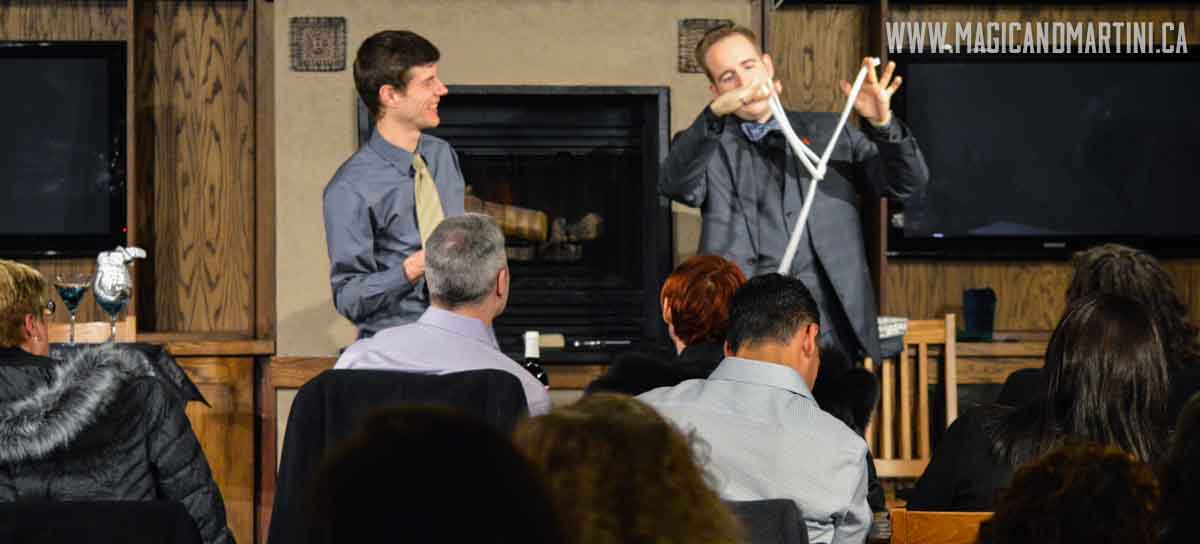
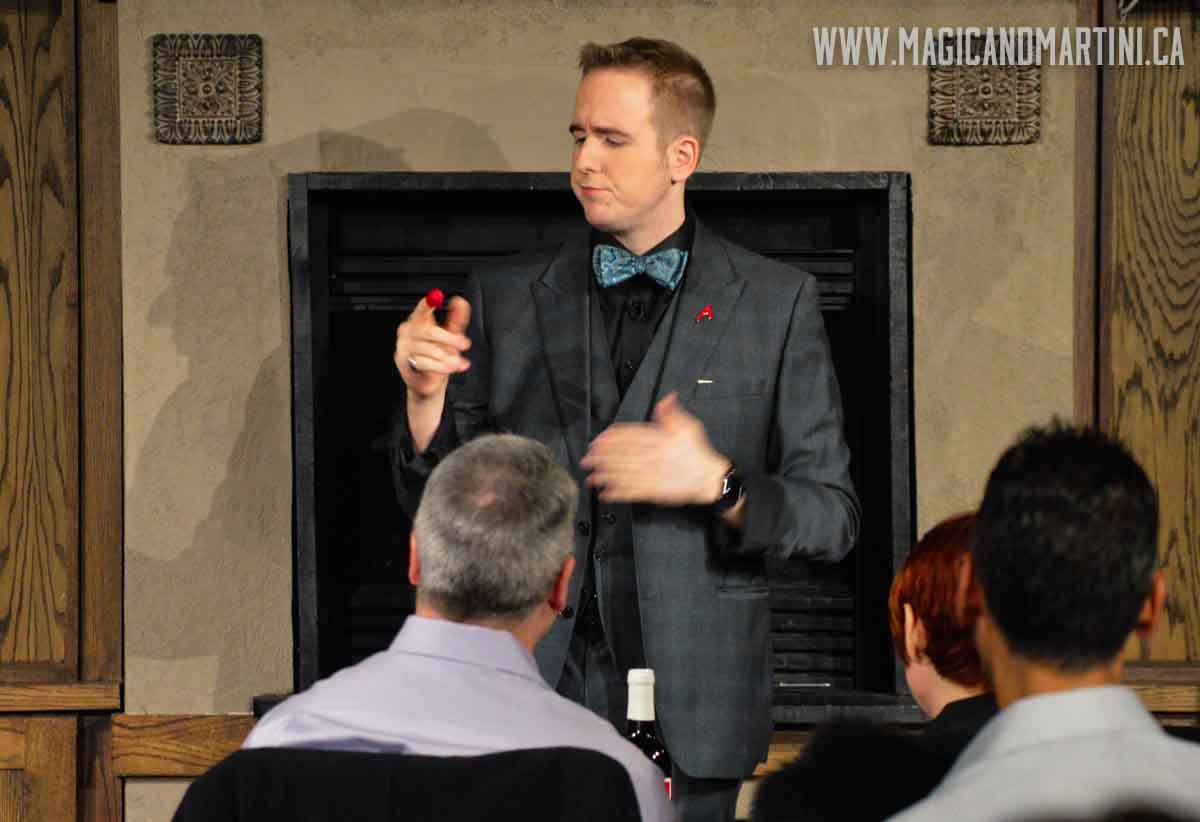
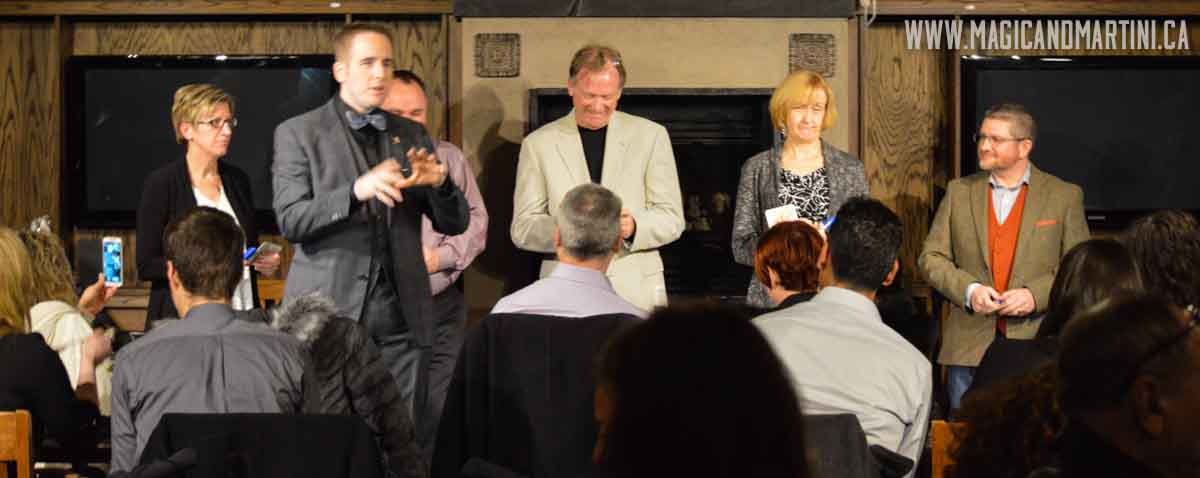
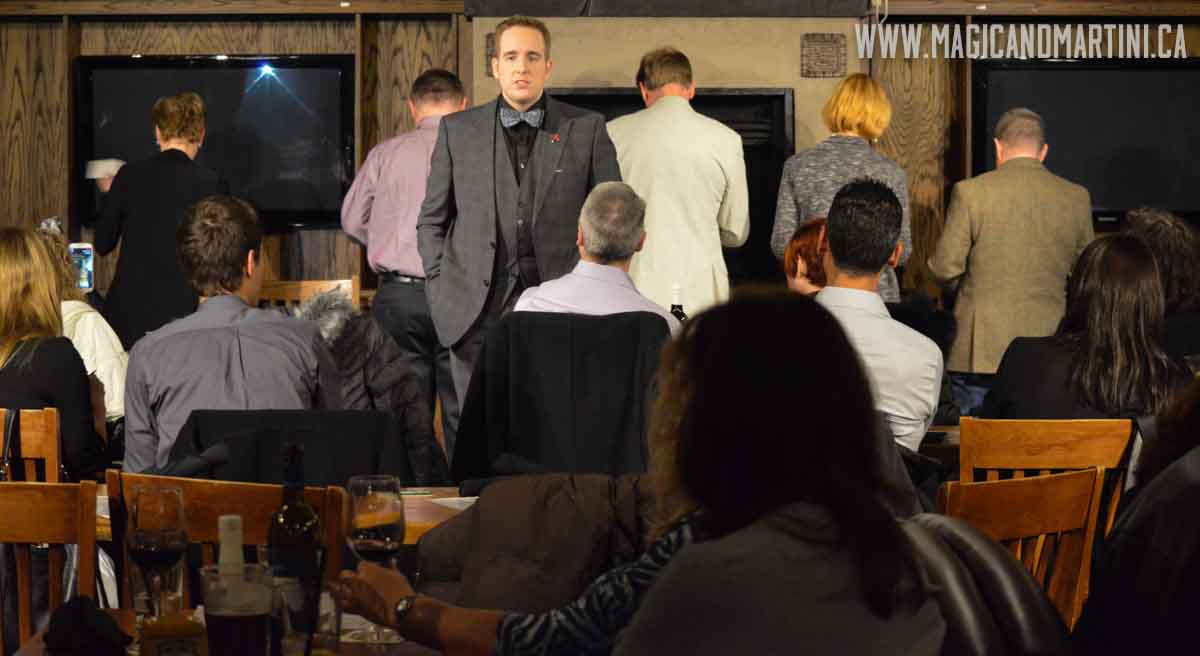
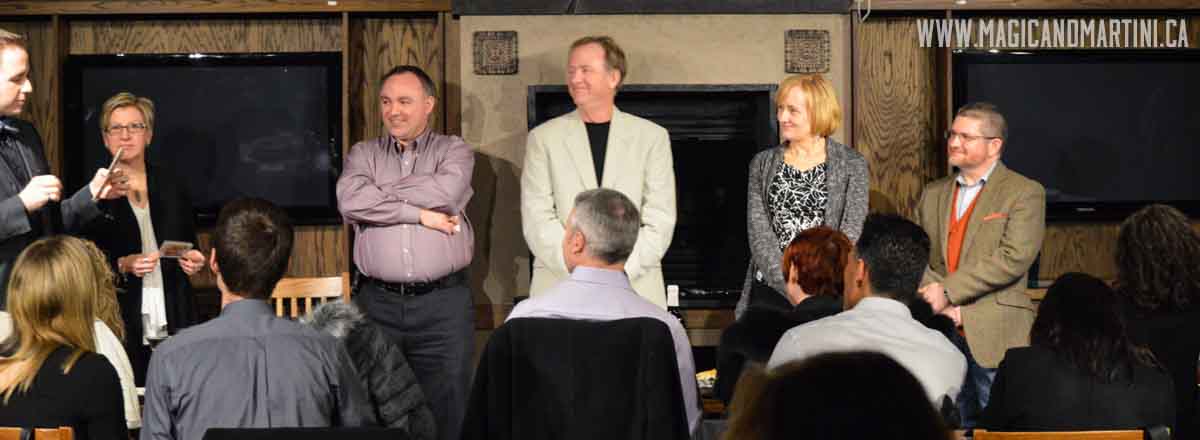
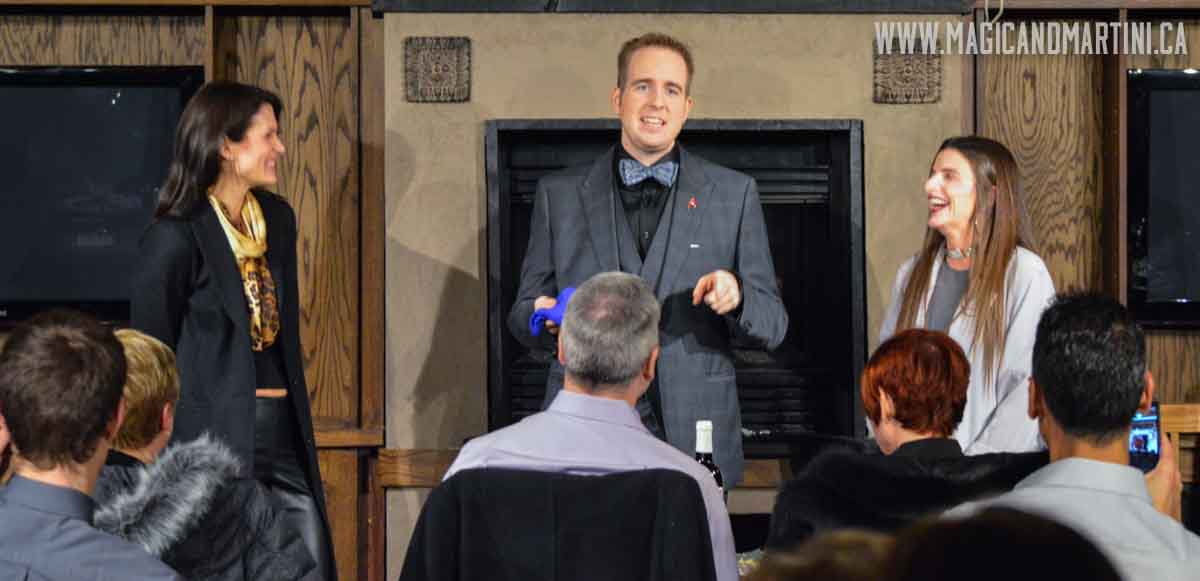
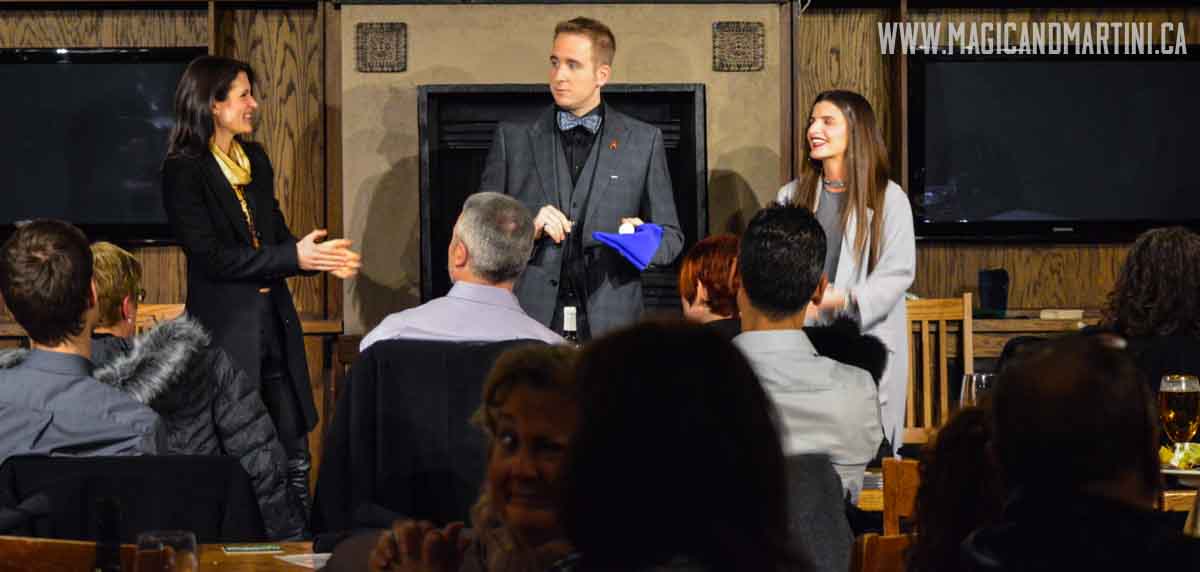
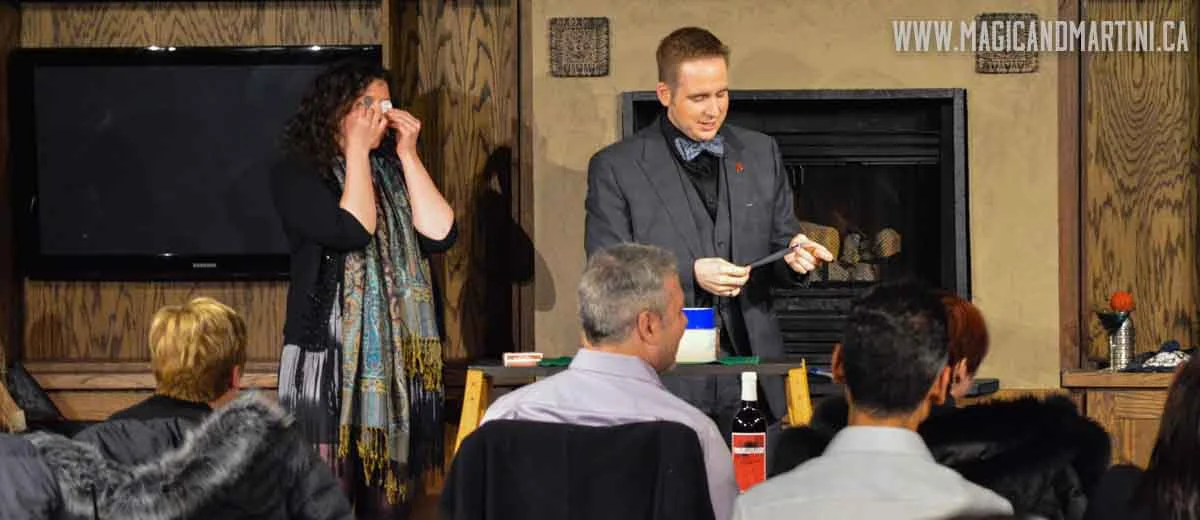
Thanks to everyone who attended our sold-out show at O'Finn's Irish Temper in Oakville on Friday night. It's the largest crowd we've had for one of those shows. 

Our next event out that way is Friday, April 21, 2017. Readers can use the code secrets for a discount on the price of tickets when purchasing online

Here are some photos from the show:

Photos by Tyler Williams

How to practice

In addition to my performing career, I've had lots of opportunities to work with students in different fields. For years I taught martial arts (which was mostly how I paid for university where I studied math... not the fast track to popularity you would think it was) and for nearly as many years tutored math (primarily for high school students). Now I teach magic several times a year through a children's community outreach program called My Magic Hands

One of the things which often needs to be included in that training is an instruction on how to practice. This short animated clip summarizes things quite nicely. It's important, because once you learn strategies for effective practice, they transfer almost immediately to any discipline. 

While they gloss over it briefly towards the end, particularly effective is the idea of starting slowly and building up speed over many, many repetitions. I remember both for students of martial arts and magic, when something is not working, the tendency was to attempt to do it faster or more vigorously. In fact, speed early on just diminishes the amount of control that you have and tends to make things worse.

When it came to math, the equivalent was for the student to try to do as much work in their head as possible. I believe the unstated premise was that the method which had the least amount of writing in the page was the most effective because it got to the solution "faster". In fact, trying to juggle lots of pieces of information behind the eyes slowed them down, increased their chances of making a mistake and making it impossible to find later. What proved the most valuable the most often was the method which left the most steps visible on the page (in accordance with the cliche dictum of showing your work). 

Another early magic mentor highlighted another important phrase: practice doesn't make perfect, practice makes permanent. So effective practice becomes extremely important. 

Magic in the community

One of the quirkier bits of performing I get to do is a special series of shows organized by Magicana as part of their Senior Sorcery program. The program is designed to bring live magic to seniors no longer living at home. Thanks to some support from the Slaight Family Foundation, these performances are often offered to these centres at specially discounted prices.

It's a challenge to assemble a show which is built with allowances for an audience's diminished mobility or cognitive issues, but having got the hang of it a few years ago, I now find these performances to be a lot of fun and tremendously rewarding. Plus sometimes someone will come up after the show with a very interesting story to tell me. 

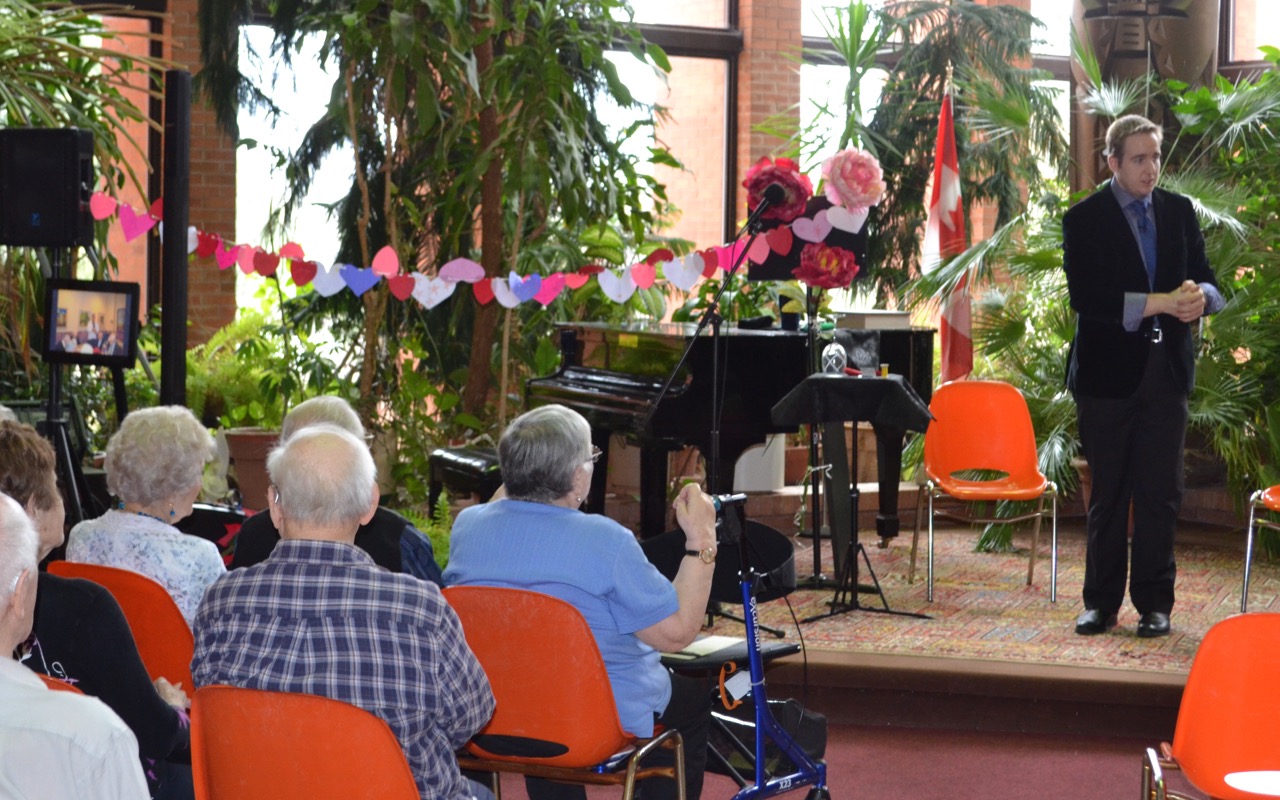
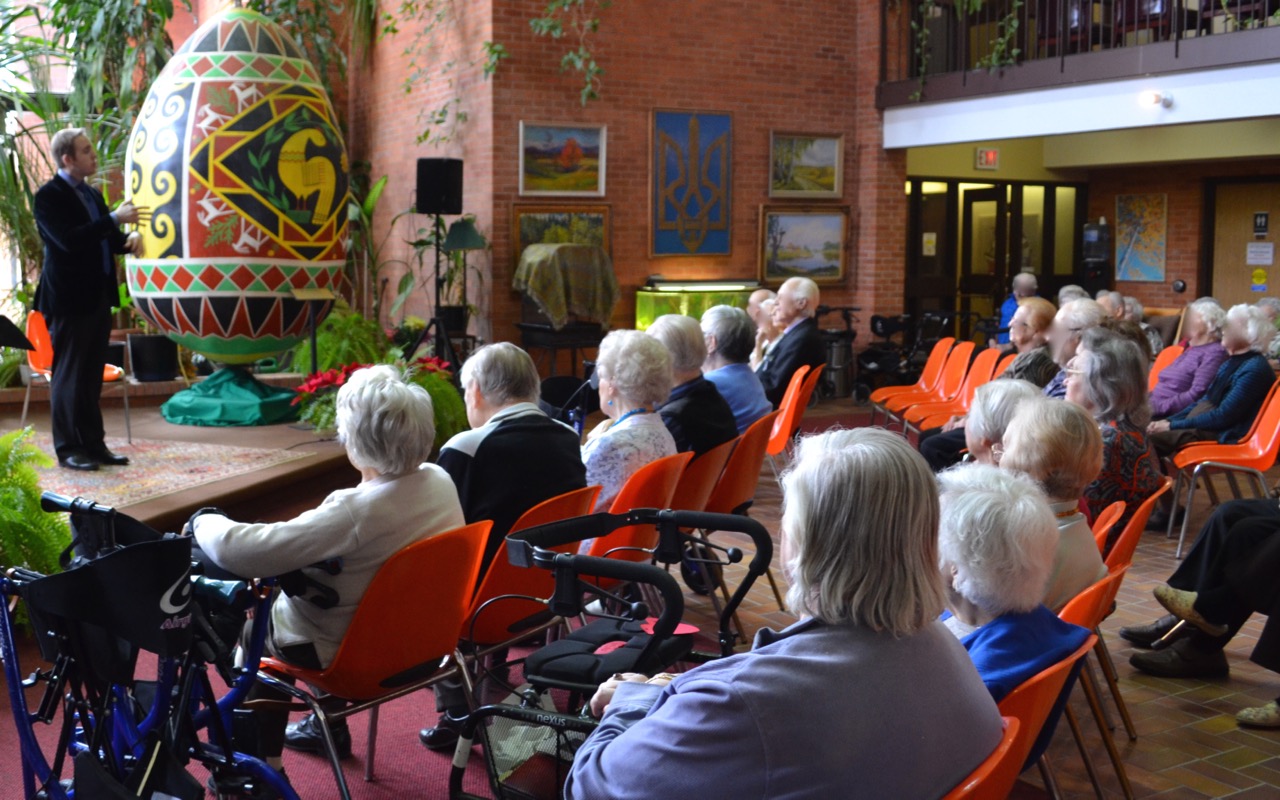
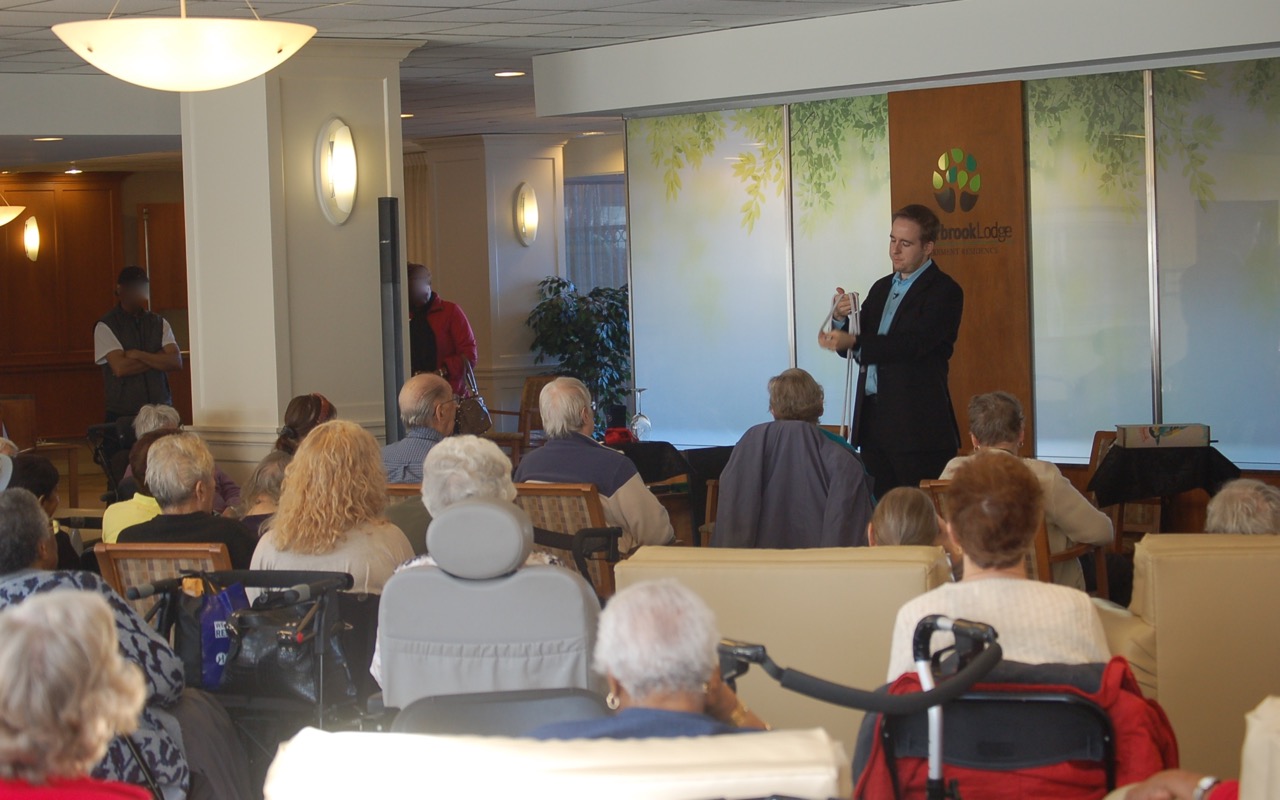
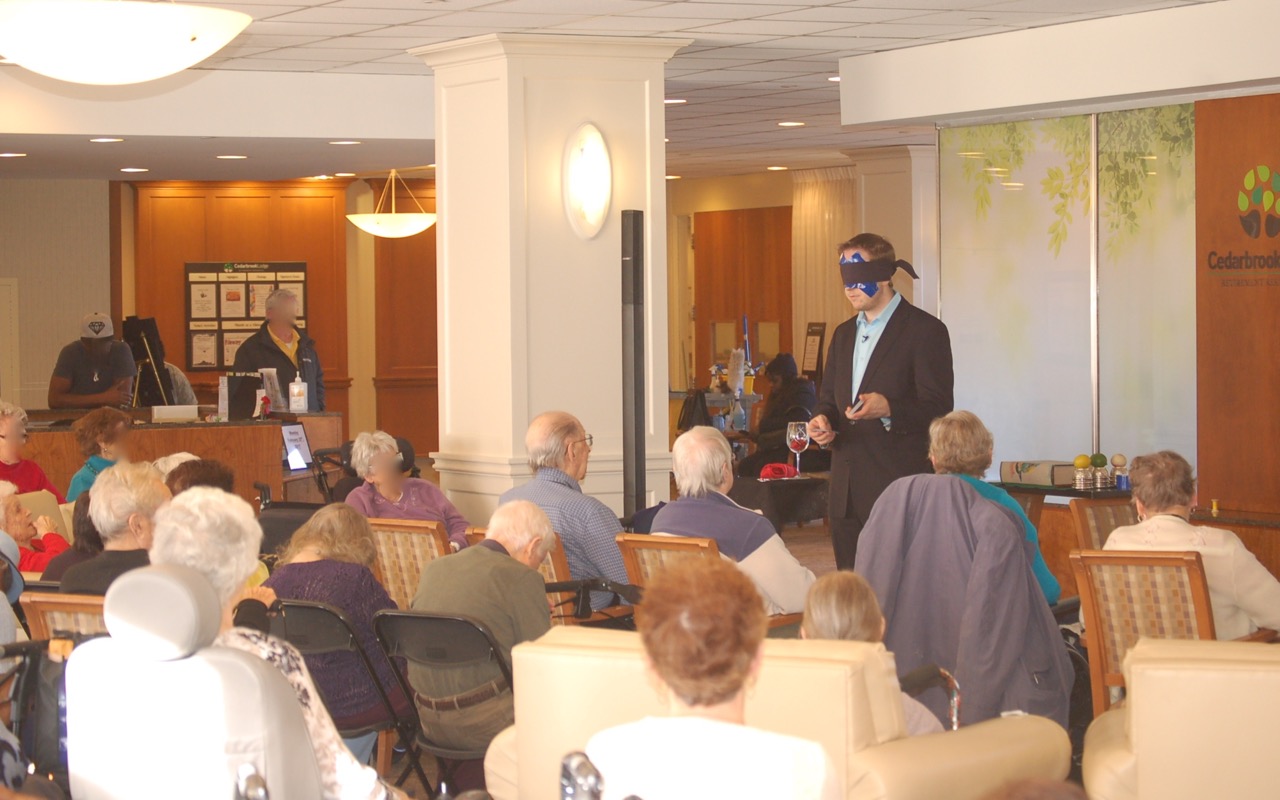
These shows are often centred around holidays throughout the year. The past week saw Valentine's Day and Family Day, so I did several shows in quick succession. Ordinarily because of privacy concerns, it's difficult to share photos from these shows, but at two performances, a very judicious photographer captured the very attractive backs of people's heads (and the moderately attractive overdressed magician on stage.) 

It's a wonderful program. If you would be interested in bringing the program to a retirement or long-term card facility you're affiliated with, I encourage you to reach out to Magicana

I really have no idea what's inside that giant egg. I was nervous that partway through the show, Lady Gaga would pop out and do a number. 

A magician can dream; can't he?

Magic Tonight Returns

After a very long hiatus, I'm delighted to announce a special instalment of Magic Tonight

What eventually, after more name changes than a reasonable human could be expected to keep track of, became known as James Alan's Magic Tonight was a show that ran in downtown Toronto for twenty-eight months. It was a variety show. A long list of friends and colleagues (and the occasional special guest from out of town) would perform with me, creating a show that was never quite exactly the same from one week to the next. And when magicians get together, we really have a lot of fun!

The show has been on hiatus for about a year. Our last performance was February, 2016 — almost exactly one year ago. During that break, I've been busy with other projects, including my new show, Magic & Martini. Now, by special arrangement with the Soul City Social Club and the Social Capital Theatre, we're back teaming up for one more night of magic, Saturday, June 17, 2017.

I'll be joined by James Harrison, Canada's foremost theatrical pickpocket, and the delightfully charming and indescribably zany Rob Testa (a man who possesses no setting between off and eleven.)

The Social Capital Theatre
154 Danforth (@ Broadview)

7:30 PM - Doors Open
8:00 PM - Showtime

Tickets $20


Remembering Daryl

On Friday, magic lost one of its brightest lights to depression. A magician who typically went just by Daryl (like Madonna or Cher) committed suicide at the Magic Castle in Hollywood. Unfortunately, there have been some nasty fabrications that have crept their way into the story — there really is such a thing as fake news. But the truth is he is gone, and that's tragic. 

When I was first beginning my studies in magic, someone recommended that I torrent a television special by some new guy called David BlaineAnyone who remembers those days knows that files were frequently mislabeled for reasons that no one was ever quite sure of. Instead of a network TV special, I found a grainy transfer from a VHS cassette of a guy in a a red bow tie demonstrating something called the "Arthur Buckley Multiple Shift."

While I never found a use for the Arthur Buckley multiple shift, I did learn that the clip was from The Encyclopedia of Card Sleights, an eight-cassette series that was... well... exactly what it said it was. Daryl was considered a master technician and his knowledge of magic — particularly close-up sleight of hand — was encyclopedic to the point where he became known as the "magicians' magician".  On top of that he was delightfully entertaining and charming in an over-the-top cheesy sort of way that worked beautifully for him. He was a teacher and inspiration for a generation of magicians. Recently, Jamy Ian Swiss wrote a column about him, which does a good job of summarizing the impact he's had on the world of magic. 

Last year I was involved in assembling an online exhibition which included two performances by Daryl on a Canadian television series filmed in Calgary; The Magic Palace. These would have been filmed about 1980, at a point in his career before he had won most of his awards. He had maintained that signature goofy style when I met him twice in Toronto over the past ten years. He gave a fantastic four-hour workshop in my friend's parents dining room.

Mental health issues like depression are hard to imagine in performers because they/we live a life where we are trained to be cheerful on command. In the past year, I've had to do shows immediately after a significant other broke up with me and immediately after the funeral for a friend and colleague. 

The surprising thing is that it's not that difficult to do.

The muscle memory of performance — of lines and jokes and well rehearsed choreography — overcomes you and the response from an audience is a very effective way of placing you in the moment and blocking out the outside world. The problem is after, when the emotions are supposed to return, they don't come back quite right. Part of the grief and sadness gets brushed away or buried and never seems to get dealt with properly. Then it comes back in quiet moments. It's a very strange feeling.

For the past two days, this has dominated my Facebook news feed. Hidden amongst the condolences are some uplifting messages of people sharing their own experience with mental health issues. Slowly it's becoming something that people feel more free to talk about which is an essential step towards people being able to seek help.